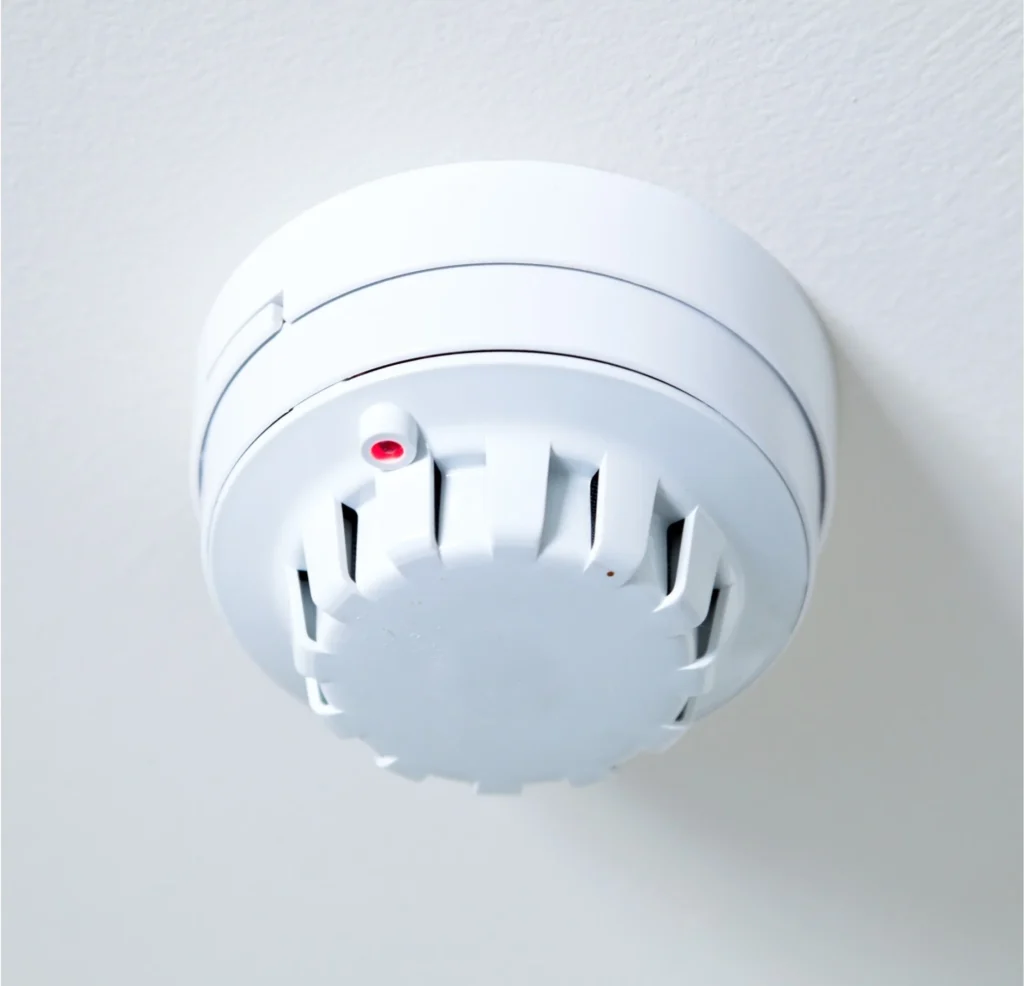
Smoke Control System/Management

Advanced Smoke Control System Management: Ensuring Clear Egress and Safe Evacuation

In the event of a fire, smoke can be a greater threat to life than flames themselves. Thick, toxic smoke significantly reduces visibility, disorients occupants, and can rapidly incapacitate. Smoke Control Systems are engineered to manage smoke movement within a building, maintaining tenable conditions in egress paths, protecting refuge areas, and facilitating firefighting operations. Husky Fire Protection offers specialized Smoke Control System Management, providing end-to-end services to ensure these complex, life-saving systems are always fully operational and compliant.

Our Comprehensive Smoke Control System Management Services:
Expert Design & Engineering
Performance-Based Design: We work with architects and engineers to design smoke control systems that meet specific performance criteria outlined in codes like NFPA 92 (Standard for Smoke Control Systems). This involves complex calculations of airflow, pressure differentials, and exhaust rates.
System Type Specification: We design various types of smoke control strategies, including:
Mechanical Smoke Exhaust Systems: Utilizing fans and ductwork to actively remove smoke from specific zones.
Pressurization Systems: Creating positive pressure in stairwells, elevator shafts, and refuge areas to prevent smoke infiltration.
Natural Smoke Ventilation: Utilizing building design elements (e.g., vents, automatic windows) to allow smoke to escape naturally.
Zoned Smoke Control: Dividing large areas into smaller smoke compartments to limit smoke spread.
Integration Planning: Crucially, we design seamless integration of the smoke control system with your fire alarm system, HVAC controls, building automation systems, and other safety mechanisms for coordinated emergency response.
Professional Installation & Commissioning
Precision Installation: Our skilled technicians install all components of the smoke control system, including fans, dampers (fire/smoke), ductwork, sensors, control panels, and associated wiring.
Rigorous Commissioning: After installation, we conduct comprehensive commissioning to verify that the system operates exactly as designed. This involves:
Functional Testing: Testing every component for proper activation and operation.
Airflow & Pressure Differential Measurements: Verifying that specified airflow rates and pressure differences are maintained within zones.
Integrated System Testing: Confirming that the smoke control system responds correctly to fire alarm signals and other triggers.
Smoke “Hot” or “Cold” Smoke Testing: Where applicable and permissible, using non-toxic smoke to visually verify smoke movement control.
Ongoing Inspections & Functional Testing
Annual Operational Tests: We perform detailed annual tests as per NFPA 92, activating the system under simulated fire conditions to verify that all fans, dampers, controls, and associated devices function correctly and that the intended smoke management strategy is achieved.
Periodic Visual Inspections: Regular visual checks for physical damage, obstructions in ductwork, proper damper positions, and any modifications to the building that could impair system performance.
Control Panel & Sensor Checks: Verification of all control panel functions, power supplies, and proper operation of smoke detectors and temperature sensors that initiate smoke control sequences.
Maintenance & Expert Repairs:
Preventative Maintenance: Routine maintenance includes cleaning fan motors, checking belt tension, lubricating dampers, and verifying electrical connections to ensure optimal system health.
Prompt Repairs: If any issues are identified during inspections or through monitoring, our technicians are equipped to perform efficient repairs, from replacing faulty actuators and sensors to troubleshooting complex control logic issues.
Compliance & Documentation
We ensure all smoke control system activities comply with relevant building codes, fire codes, and NFPA standards.
Comprehensive documentation of all designs, installation procedures, test results, and maintenance records is provided, which is essential for ongoing compliance and regulatory audits.