
Fire Safety Plan

Customized Fire Safety Plans: Your Blueprint for Preparedness and Compliance
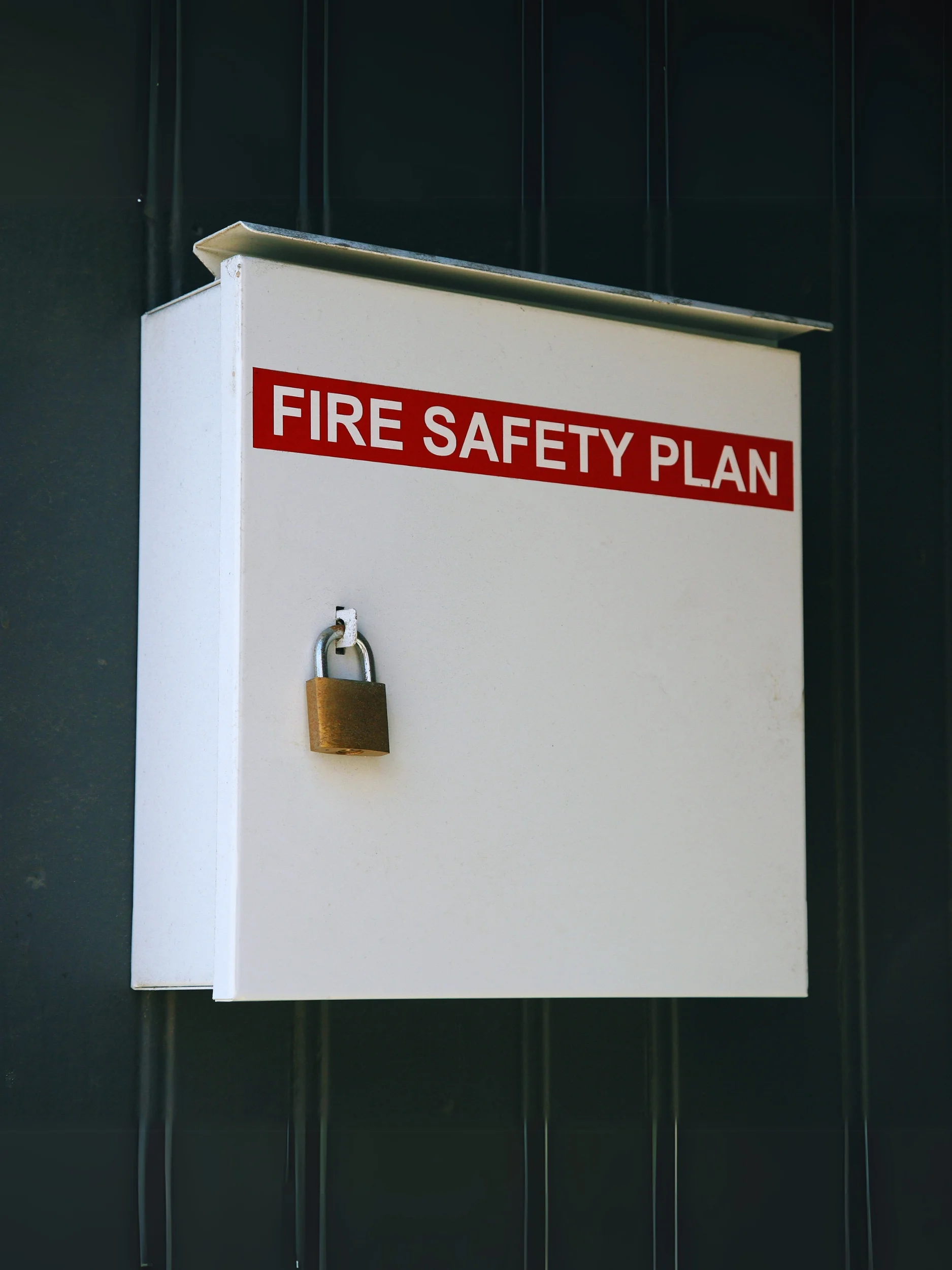
A robust and up-to-date Fire Safety Plan is not just a regulatory requirement; it is an indispensable tool for protecting lives, minimizing property damage, and ensuring business continuity in the event of a fire or other emergency. It serves as a comprehensive guide for all building occupants and emergency responders. Husky Fire Protection specializes in developing meticulously crafted, customized, and user-friendly Fire Safety Plans that meet or exceed all provincial and municipal code requirements, empowering your organization to respond effectively when it matters most.
Our Comprehensive Fire Safety Plan Development Process:
1. Initial Assessment & Data Collection
- We begin by conducting a detailed assessment of your building’s unique characteristics, including its construction type, occupancy classification (e.g., assembly, residential, mercantile, industrial), number of occupants, and existing fire protection systems (sprinklers, alarms, emergency lighting).
- We gather critical information on hazardous materials, special processes, and any unique building features that might impact emergency response.
- Our team reviews existing floor plans, life safety drawings, and previous fire inspection reports.
2. Code Compliance & Regulatory Adherence
- Our plans are developed in strict accordance with the National Fire Code of Canada, relevant provincial building and fire codes (e.g., Ontario Building Code, BC Building Code, National Fire Code of Canada, Part 2), and local municipal bylaws.
- We ensure all required elements are present and clearly articulated to facilitate approval by the Authority Having Jurisdiction (AHJ), typically the local Fire Department.
3. Core Elements of Our Customized Fire Safety Plans
- Emergency Procedures for Occupants: Clear, step-by-step instructions for:
- Responding to a fire alarm (how to react, where to go).
- Evacuation procedures, including designated exit routes and assembly points.
- Procedures for occupants requiring assistance (e.g., persons with disabilities).
- Emergency contact information.
- Roles & Responsibilities of Supervisory Staff: Detailed duties for designated fire wardens, floor captains, building management, and other key personnel during an emergency, including:
- Alarm verification and notification.
- Assisting with evacuation.
- Communication protocols with emergency services.
- Shutting down essential services if safe to do so.
- Fire Department Interface: Information crucial for responding firefighters, such as:
- Locations of fire alarm panels, sprinkler risers, fire department connections (FDCs).
- Building layout and hazardous material locations.
- Access routes and staging areas for emergency vehicles.
- Building Systems Overview: Comprehensive details of all fire protection systems, including:
- Type and location of fire alarm devices, sprinkler systems, standpipes.
- Emergency lighting and exit sign locations.
- Locations of fire extinguishers and their types.
- Smoke control system details.
- Maintenance & Testing Schedule: Outlining the required frequency for inspection, testing, and maintenance of all fire safety equipment as per codes.
- Fire Drills & Training: Guidance on the frequency and conduct of fire drills, and recommendations for occupant and staff training programs to ensure familiarity with the plan.
4. Submission & Liaison with AHJ
- We prepare your plan for submission and can act as your liaison with the local Fire Department or other regulatory bodies, answering questions and addressing any concerns to facilitate timely approval.
5. Annual Review & Updates
- Buildings evolve, and codes change. We provide essential annual review services to ensure your fire safety plan remains accurate, relevant, and compliant with any new regulations or modifications to your facility, occupancy, or fire protection systems.